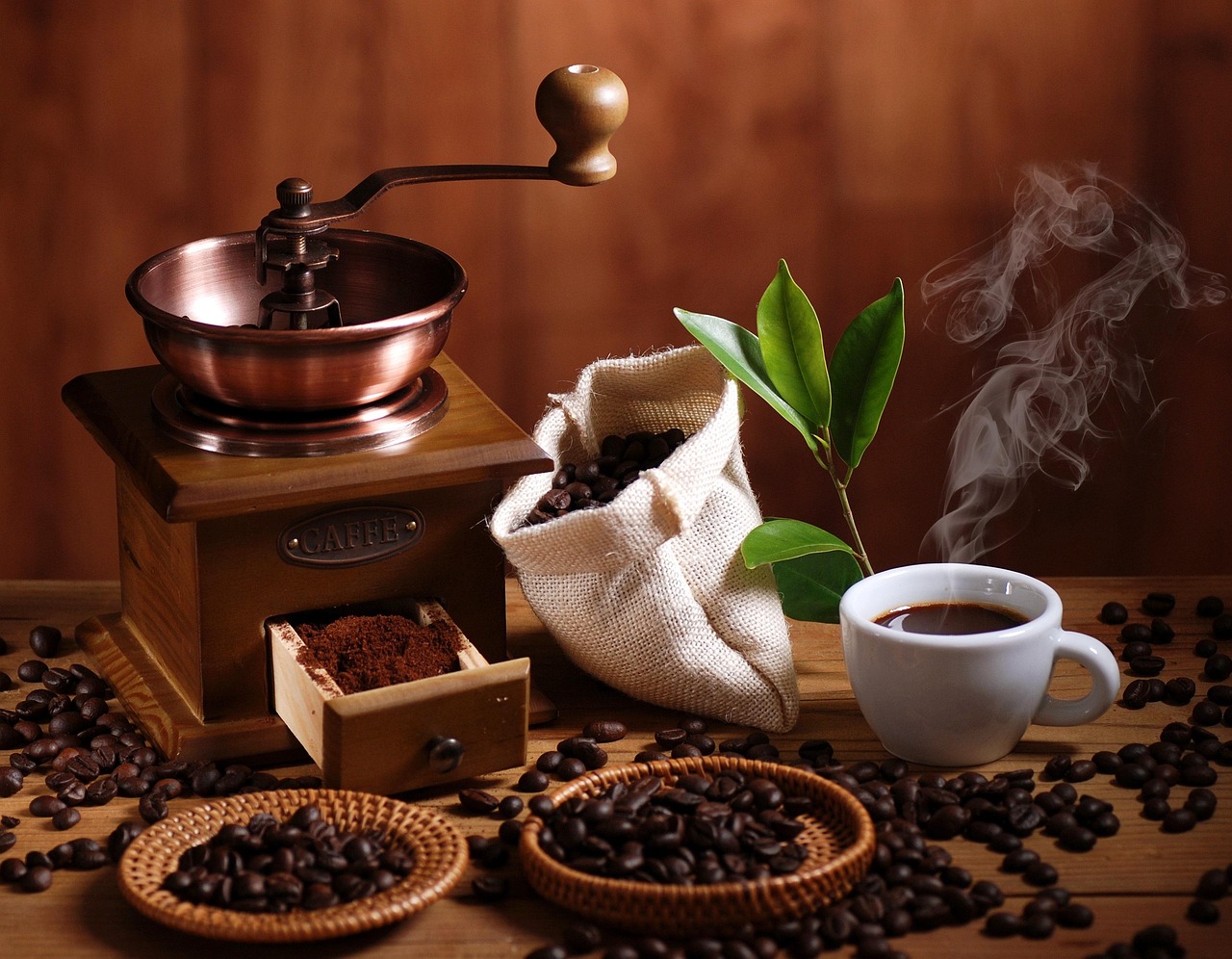
Mastering the Art of Espresso
Espresso is often considered the heart of coffee culture. This concentrated coffee beverage, brewed by forcing hot water through finely-ground coffee, is the foundation for many beloved drinks like lattes, cappuccinos, and macchiatos. In the pursuit of mastery, enthusiasts must navigate through a multitude of techniques, equipment, and flavor profiles. This article will guide you through the essential steps to mastering the art of espresso.
Understanding Espresso
Before diving into the brewing process, it’s vital to understand what espresso is. Unlike brewed coffee, espresso is prepared using a specific method that results in a small, concentrated shot with a rich flavor profile and creamy texture, thanks to the natural oils extracted during brewing.
Key Characteristics of Espresso
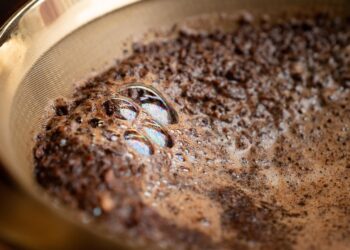
- Crema: A golden layer of foam that forms on top of the espresso shot, indicating freshness and quality.
- Body: The thickness and mouthfeel, which can range from light to heavy.
- Flavor: A complex combination of acidity, sweetness, and bitterness.
Selecting the Right Beans
The journey to a perfect espresso begins with choosing high-quality coffee beans. The type of beans you select will dramatically influence the end product.
Types of Coffee Beans
The two most common coffee beans are Arabica and Robusta. Arabica beans tend to have a sweeter, more delicate flavor, while Robusta beans are stronger and more bitter. Opting for a blend that combines both can often yield a balanced shot with favorable characteristics from each.
Freshness Matters
Freshly roasted beans are crucial for a great espresso. Look for beans that have been roasted within the last two weeks. Try to purchase whole beans rather than pre-ground coffee, as grinding them just before brewing maximizes flavor.
Essential Equipment for Brewing Espresso
Investing in the right equipment is crucial for mastering espresso. Here’s a list of essentials:
- Espresso Machine: Enables you to control pressure and temperature for optimal extraction.
- Grinder: A burr grinder is recommended for consistent grind size.
- Tamper: Used to compress the coffee grounds evenly in the portafilter.
- Scale: To measure coffee and water accurately.
- Milk Frother (optional): For making creamy milk-based drinks.
Mastering the Brewing Process
The brewing process of espresso is where precision and technique come into play. Follow these steps to craft the perfect shot:
1. Grinding the Beans
For espresso, the coffee beans should be ground to a fine consistency, similar to table salt. The grind size affects extraction time and flavor, so ensure consistency to achieve optimal results.
2. Dosing Coffee
A standard espresso shot requires approximately 18-20 grams of coffee. Use a scale to measure accurately, ensuring a balanced extraction.
3. Tamping
Evenly tamp the coffee grounds in the portafilter with about 30 pounds of pressure. This step is vital to create uniform resistance to the water flow.
4. Brewing
Lock the portafilter into the espresso machine, start the extraction, and aim for a brew time of 25-30 seconds for a double shot. The output should be around 2 ounces (about 60 ml) of liquid.
Common Questions About Espresso
What is the ideal brewing temperature for espresso?
The water temperature should be between 195°F (90°C) and 205°F (96°C). This range optimizes flavor extraction without burning the coffee.
How can I tell if my espresso is extracted correctly?
A well-extracted shot should have a rich golden crema, a balanced flavor profile, and a smooth finish. If it tastes bitter, it might be over-extracted; if it tastes sour, it’s likely under-extracted.
Can I make espresso without an espresso machine?
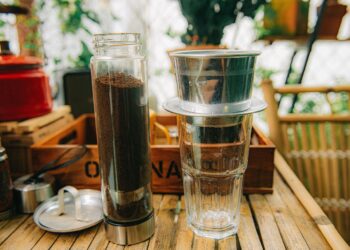
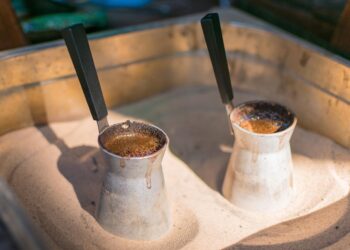
While an espresso machine is ideal, alternatives like Aeropress or Moka pots can produce strong coffee that resembles espresso, although the results may differ in flavor and texture.
Perfecting Your Espresso Experience
Once you have mastered brewing espresso, experiment with different beans, grind sizes, and extraction times to discover your preferred flavor profile. Also, consider learning how to steam milk for lattes or cappuccinos to expand your skills.
Conclusion
Mastering the art of espresso involves practice, patience, and a willingness to learn. By understanding the fundamental components—from bean selection to brewing techniques—you’ll be well on your way to creating delicious espresso at home. Enjoy the journey and savor the unique flavors that each cup of espresso has to offer!