Brewing Perfection: Unveiling the Art of Coffee Styles
Coffee is more than just a beverage; for many, it is an integral part of daily life, a ritual that awakens the senses and ignites the spirit. The complexity of coffee flavors, aromas, and brewing techniques invites exploration. In this article, we’ll delve into the art of coffee styles, discussing various brewing methods, their unique characteristics, and answering common questions surrounding coffee preparation.
The Diverse World of Coffee Styles
Understanding different coffee styles is essential for both beginners and aficionados. The variety of coffee preparation methods influences the taste, strength, and richness of your cup. Here’s a closer look at some popular coffee styles:
1. Espresso
Espresso is the cornerstone of Italian coffee culture and serves as the foundation for several coffee beverages. It is brewed by forcing hot water through finely-ground coffee using high pressure. The result is a concentrated shot of coffee, typically served in small amounts. Espresso can be enjoyed alone or form the base for drinks like lattes and cappuccinos.
2. Drip Coffee
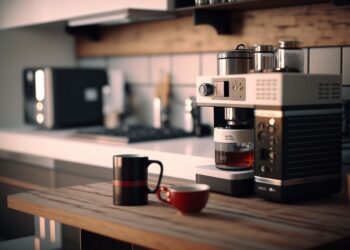
Drip coffee, also known as filtered coffee, involves brewing ground coffee by dripping hot water through a filter. This method is popular for its convenience and ability to produce large quantities of coffee. Drip coffee tends to be milder compared to espresso, making it suitable for those who prefer a less intense flavor.
3. French Press
The French press method is beloved for its rich, full-bodied coffee. Coarse coffee grounds are steeped in hot water for several minutes before a plunger separates the grounds from the liquid. The result is a robust coffee with rich oils and flavors retained from the grounds.
4. Cold Brew
Cold brew coffee involves steeping coarsely ground coffee in cold water over an extended period—typically 12 to 24 hours. This method produces a smooth, low-acidity coffee that is often served over ice. Cold brew has gained popularity for its refreshing taste and versatility in various coffee drinks.
5. Pour Over
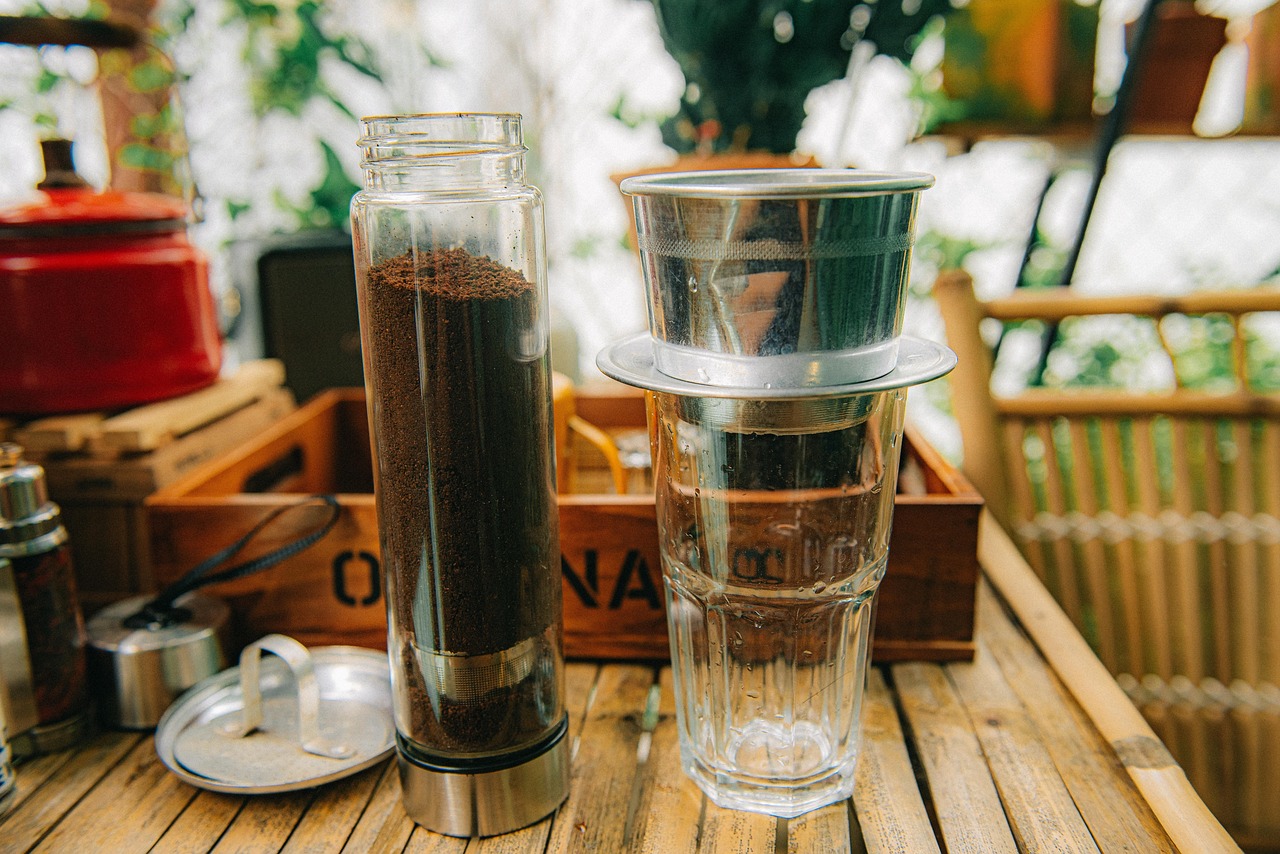
The pour-over method entails manually pouring hot water over coffee grounds in a filter cone. This technique allows for precise control over water temperature and brewing time, leading to a flavorful cup that showcases the coffee’s unique characteristics. Brands such as Hario and Chemex are popular tools for creating pour-over coffee.
6. Turkish Coffee
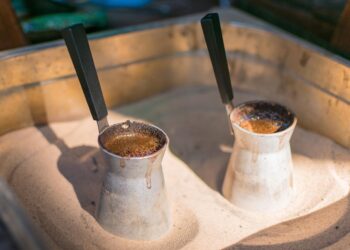
Turkish coffee is an ancient brewing method that produces a strong and aromatic coffee. Finely ground coffee is simmered in water along with sugar (optional) in a unique pot called a cezve or ibrik. The coffee is served unfiltered, leading to a rich, thick consistency and a layer of grounds at the bottom of the cup.
Common Questions About Brewing Coffee Styles
What is the Best Coffee Ground Size for Each Brewing Method?
The size of coffee grounds significantly impacts the brewing process and flavor extraction. Here’s a quick guide:
- Espresso: Fine grind (similar to table salt)
- Drip Coffee: Medium grind (similar to granulated sugar)
- French Press: Coarse grind (similar to sea salt)
- Cold Brew: Coarse grind (similar to sea salt)
- Pour Over: Medium to medium-fine grind
- Turkish Coffee: Extra fine grind (similar to powdered sugar)
How Does Water Temperature Affect Coffee Taste?
Water temperature plays a vital role in the extraction process. Brewing coffee at temperatures between 195°F and 205°F (90°C – 96°C) is optimal for extracting flavors without making the coffee bitter. Too high temperatures can lead to over-extraction, while too low can lead to under-extraction, resulting in a weak cup.
How Can I Enhance My Coffee Experience?
Enhancing your coffee experience goes beyond brewing methods. Here are a few tips:
- Quality Beans: Invest in high-quality, freshly roasted coffee beans. The flavor of your coffee starts with the beans.
- Grind Freshly: Grind your coffee just before brewing for maximum freshness and flavor.
- Experiment with Ratios: Tailor the coffee-to-water ratio to your taste. A common guideline is 1:15 (1 gram of coffee per 15 grams of water).
- Adjust Brew Time: Explore how varying brew times affect your coffee’s taste and strength.
The Importance of Choosing the Right Coffee Equipment
Investing in the right coffee equipment can elevate your brewing experience. While many coffee styles can be prepared with basic equipment, the right tools can enhance flavor and consistency. Consider the following:
Espresso Machines
Espresso machines are available in various styles, from manual to automatic. A good quality espresso machine can produce rich, café-quality espresso at home.
Coffee Grinders
A good burr grinder is essential for achieving a consistent grind size, which is critical for optimal extraction.
Brewing Accessories
Coffee accessories, including scales, thermometers, and timers, can help you maintain precision in your brewing process, ensuring a perfect cup every time.
Conclusion: Embracing the Art of Coffee Styles
As we’ve explored, the art of brewing coffee encompasses a diverse range of styles, each offering a unique flavor profile and experience. By experimenting with different brewing methods, understanding the importance of grind size, water temperature, and investing in quality equipment, anyone can appreciate the beauty of coffee. Whether you enjoy a robust shot of espresso or a smooth cold brew, understanding these elements will deepen your appreciation for this beloved beverage.
By engaging in the journey of coffee exploration, you will not only discover the perfect brew that suits your taste but also cultivate a thoughtful appreciation for this intricate, glorious drink. So, grab your favorite beans, gather your tools, and embark on a delightful journey into the world of coffee styles!