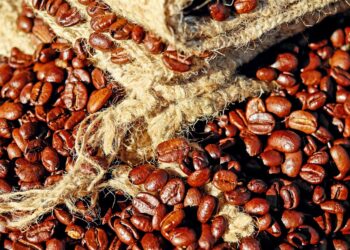
Brewed with Purpose: Discovering Fair-Trade Coffee
In an era where consumers are more conscious than ever about their purchasing decisions, fair-trade coffee stands out as a beacon of ethical consumption. This article dives into the roots of fair trade, its benefits, and why choosing fair-trade coffee is not just about flavor but also about making a significant impact on farmers and communities worldwide.
What is Fair-Trade Coffee?
Fair-trade coffee is sourced from farmers who are paid a fair wage for their labor, ensuring that the economic benefits of coffee production reach those who grow the beans. The fair-trade certification indicates that the coffee meets stringent social, economic, and environmental standards. This certification helps promote sustainable farming practices and assures consumers that their purchase supports ethical trade.
The Importance of Fair-Trade Practices
Fair-trade coffee is not just a marketing gimmick; it represents a movement toward social justice and sustainability. Here are some critical factors that highlight the importance of fair-trade practices:
- Fair Wages: Farmers receive a guaranteed minimum price for their coffee, which provides stability and allows them to invest in their communities.
- Community Development: A portion of the proceeds goes back into the communities that produce the coffee, funding education, healthcare, and infrastructure development.
- Sustainable Farming: Fair-trade standards encourage environmentally friendly farming practices, protecting biodiversity and reducing the use of harmful pesticides.
- Women Empowerment: Fair-trade initiatives often focus on uplifting women in farming communities, offering them opportunities for leadership and economic independence.
The Process of Fair-Trade Certification
The journey of fair-trade coffee begins on small farms in developing countries. Here’s a brief overview of the certification process:
- Formation of Cooperatives: Farmers band together to form cooperatives, sharing resources and responsibilities.
- Adherence to Standards: Cooperatives must meet fair-trade standards concerning labor rights, environmental practices, and community development.
- Inspection and Certification: Third-party organizations conduct thorough audits to ensure compliance with fair-trade regulations.
- Market Access: Certified farmers gain access to international markets, enabling them to sell their coffee at fair prices.
Benefits of Choosing Fair-Trade Coffee
Choosing fair-trade coffee has numerous benefits, both for consumers and producers. Here are some of the standout advantages:
For Consumers
- Quality and Flavor: Fair-trade coffee is often of high quality, as farmers are incentivized to produce top-notch beans.
- Guilt-Free Indulgence: Consumers can enjoy their coffee with the knowledge that their purchase supports ethical practices.
- Unique Varieties: Exploring fair-trade options introduces consumers to artisanal coffee from various regions, each with unique flavor profiles.
For Producers
- Economic Stability: Fair wages and fair trading conditions improve the livelihoods of farmers and their families.
- Community Investment: Farmers can reinvest in their farms and communities, enhancing local quality of life.
- Environmental Stewardship: Adherence to sustainable practices ensures the long-term health of the land.
Common Questions About Fair-Trade Coffee
Is all coffee fair trade?
No, not all coffee is fair trade. It is essential to look for the fair-trade certification label to ensure that your coffee has been produced according to fair-trade standards.
How can I find fair-trade coffee near me?
Many grocery stores, specialty coffee shops, and online retailers carry fair-trade coffee. Look for brands that feature fair-trade certification logos, or check with local coffee roasters who may source fair-trade beans.
What is the difference between fair trade and direct trade?
While both fair trade and direct trade aim to provide better compensation for farmers, fair trade focuses on cooperative models and adherence to specific standards, while direct trade often involves direct relationships between coffee roasters and farmers, sometimes without certification.
How to Brew Fair-Trade Coffee at Home
Brewing wonderful fair-trade coffee at home is easy and can elevate your morning ritual. Here’s a simple guide to get you started:
- Choose Quality Beans: Start with high-quality fair-trade beans. Look for whole beans for maximum freshness.
- Grind Fresh: Grind your coffee just before brewing to preserve flavor and aroma.
- Measure Accurately: Use the right coffee-to-water ratio—generally, two tablespoons of coffee for every six ounces of water.
- Brew as Directed: Whether you use a drip coffee maker, French press, or pour-over, follow the brewing instructions for the best results.
Conclusion: Brewing with Purpose
Choosing fair-trade coffee is more than just a beverage choice; it is a commitment to ethical consumption and a better future for coffee farmers and their communities. By opting for fair-trade coffee, you not only enjoy exceptional flavor but also support sustainable practices that foster social equity and environmental health. As you sip your next cup, remember that your choice matters, and together, we can make a difference—one brew at a time.