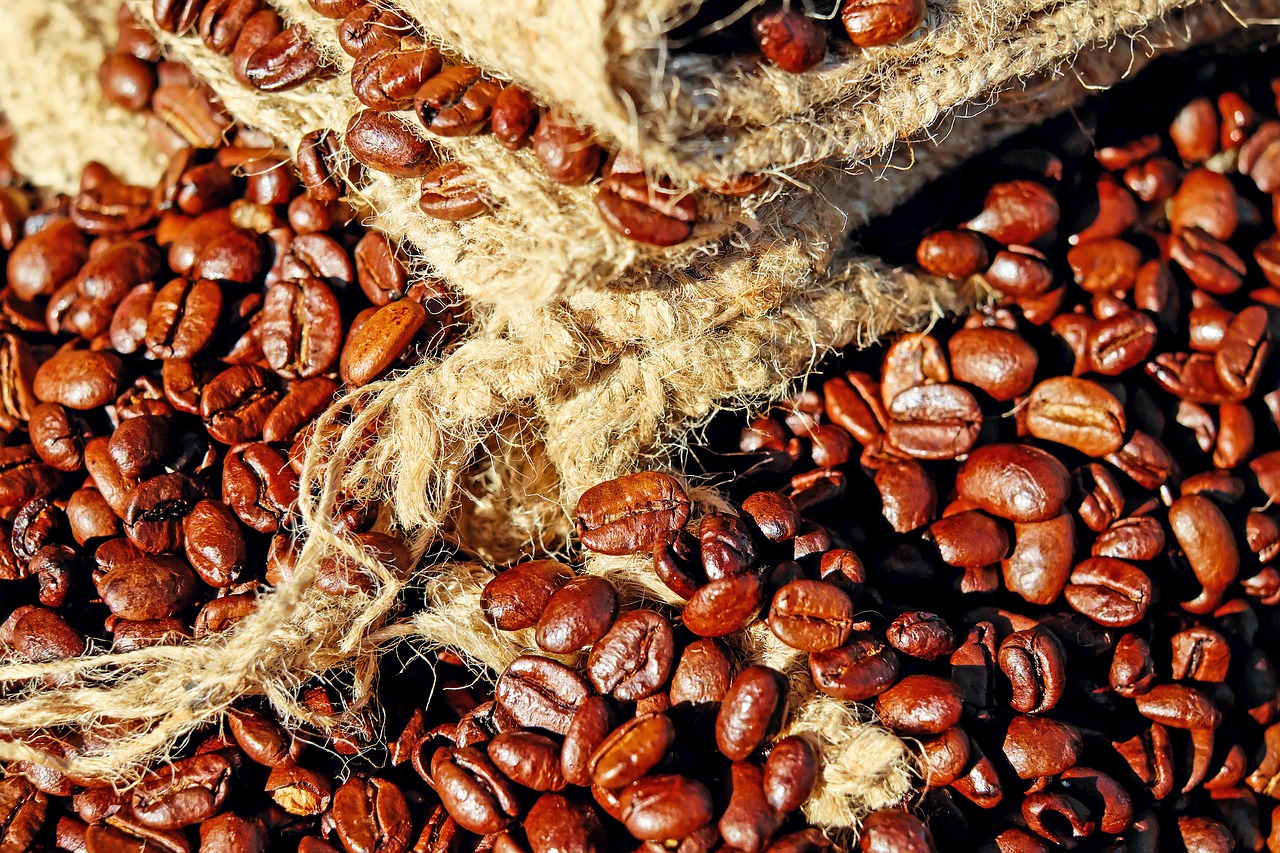
Awakening Aromas: The Journey of Fresh Coffee Beans
Coffee lovers around the world often marvel at the rich and complex flavors found in their favorite brew. But have you ever considered the incredible journey that fresh coffee beans take before they reach your cup? In this article, we’ll explore the journey of fresh coffee beans, from cultivation to brewing, and the awakening aromas that accompany each step of this fascinating process.
The Beginning: Cultivation of Coffee Beans
The journey begins on coffee plantations, often located in regions known as the “Coffee Belt.” These areas lie between the Tropics of Cancer and Capricorn, offering the ideal climate for coffee cultivation—a combination of rich soil, altitude, and a consistent temperature.
Two Primary Varieties: Arabica and Robusta
Two main varieties of coffee beans dominate the global market: Arabica and Robusta. Arabica beans are celebrated for their smooth, nuanced flavors and account for about 60-70% of the world’s coffee production. In contrast, Robusta beans offer a stronger, more bitter taste and contain higher caffeine content.
Cultivation involves a meticulous process. Farmers carefully nurture coffee plants, ensuring they receive ample sunlight, water, and nutrients. **Sustainability practices**, such as shade-grown coffee and organic farming, have gained popularity as consumers become more environmentally conscious.
From Cherry to Bean: Harvesting and Processing
Once the coffee cherries ripen, they are harvested. This often requires skilled labor, as the cherries must be picked at the right time to ensure optimal flavor. Harvesting can be done by hand or using machines, depending on the scale of the operation.
Processing Methods
After harvesting, the cherries undergo processing to extract the coffee beans. There are two main methods: the **washed** (or wet) method and the **natural** (or dry) method. In the washed method, the pulp of the cherry is removed before fermentation, resulting in a cleaner flavor profile. The natural method allows the cherries to dry in the sun with the pulp intact, imparting fruity undertones to the beans. Each method significantly affects the final taste and aroma of the coffee.
The Art of Roasting: Awakening the Aromas
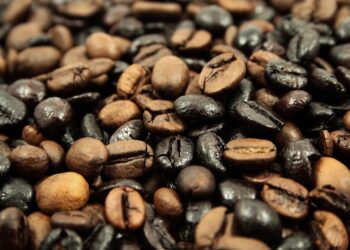
Once the beans are processed, they are shipped to roasters who will bring out the complex flavors locked within. Roasting coffee is both a science and an art. The heat transforms the chemical structure of the beans, resulting in the toasty, aromatic, and flavorful brew we love.
Different Roast Levels
Roasting can be categorized into distinct levels: light, medium, and dark. Light roasts retain most of the beans’ original flavors, exhibiting higher acidity and fruity notes. Medium roasts strike a balance between brightness and body, while dark roasts bring out bold, roasty flavors but may overshadow the beans’ inherent characteristics.
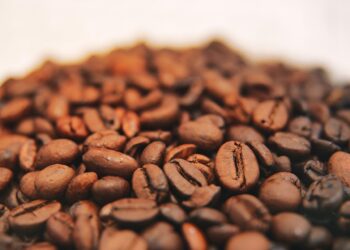
The aroma released during roasting, known as “the first crack,” marks the moment when beans begin to expand and release moisture. This is a critical step in unlocking the full potential of your coffee. The smell of freshly roasted beans is often a signal of their awakening, enticing coffee enthusiasts to explore the beans’ distinctive profiles.
Brewing the Perfect Cup
After roasting, the coffee journey continues to the brewing stage. Choosing the right brewing method is essential to extracting the best flavors from the beans. Some popular methods include:
- French Press: Ideal for rich and full-bodied coffee.
- Pour-Over: Allows for precise control over brewing time and temperature.
- Espresso: Produces concentrated shots with rich crema.
- Cold Brew: Offers a smooth, refreshing alternative perfect for warm days.
Each method brings out unique aspects of the coffee, enhancing the overall experience. The awakening aromas that fill your kitchen as you brew your coffee are a telltale sign of the delicious cup awaiting you.
The Importance of Freshness
One of the most crucial factors in enjoying coffee is the freshness of the beans. Coffee begins to lose its flavor within weeks of roasting. Thus, purchasing whole beans, grinding them just before brewing, and storing them in a cool, airtight container are essential practices for any coffee lover.
How to Choose Quality Coffee
To ensure you’re enjoying the best coffee possible, look for the following indicators:
- Single-origin: Coffee from one location often has a unique flavor profile.
- Roast date: Freshly roasted beans (ideally within two weeks) guarantee better taste.
- Certifications: Look for organic, fair-trade, or sustainably sourced labels to promote ethical consumption.
Common Questions About Coffee Beans
What is the ideal brewing temperature?
The optimal brewing temperature for coffee is typically between 195°F and 205°F (90°C to 96°C) to extract rich flavors without burning the coffee grounds.
How long do freshly roasted beans last?
Freshly roasted beans maintain their best flavor for about two to four weeks. After this period, consider switching to a new batch for the best experience.
Can I freeze coffee beans?
Yes, you can freeze coffee beans to extend their freshness. Just make sure to store them in an airtight container to prevent moisture and odor absorption.
Conclusion
The journey of fresh coffee beans, from cultivation to brewing, is a remarkable tale of nature, art, and science. By understanding this journey, you can appreciate the awakening aromas that come with each cup and make informed choices that enhance your coffee experience. Embracing high-quality, freshly roasted beans will open up a world of flavors, ensuring that each sip is nothing short of extraordinary.