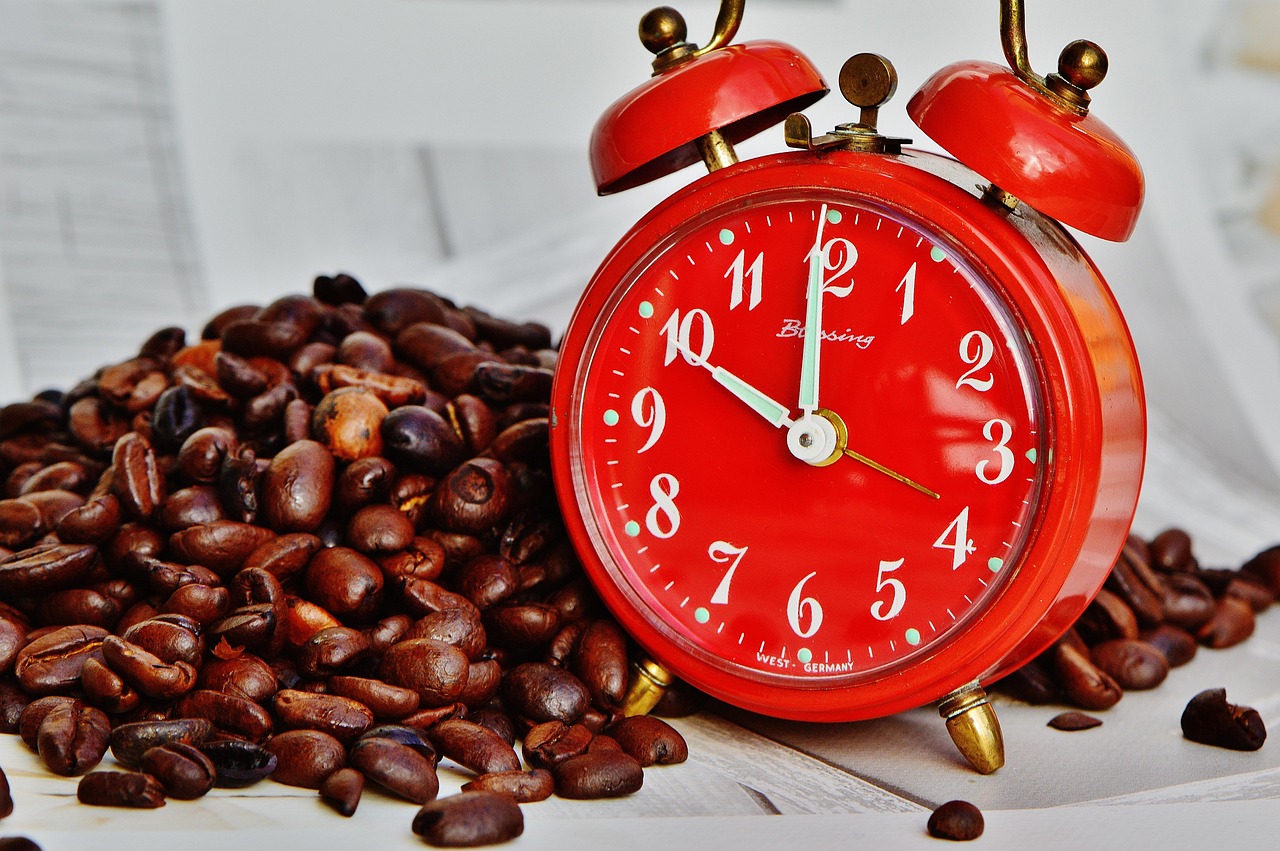
The Art of Roasting: Unleashing the Flavor of Coffee Beans
Understanding Coffee Roasting
Coffee roasting is an intricate process that transforms green coffee beans into the aromatic, flavorful beans we love. This process not only affects the flavor and aroma but also the acidity and body of the coffee. The art of roasting is where science meets creativity, allowing roasters to bring forward the unique characteristics inherent in each type of coffee bean.
The Importance of Coffee Bean Quality
Before diving into the roasting process, it’s crucial to start with high-quality green coffee beans. The flavor profile and quality of the final cup depend heavily on the beans’ origin, variety, and processing methods. Factors such as altitude, climate, and harvest time play significant roles in flavor development. Always choose freshly sourced, high-grade beans to maximize your roasting potential.
Stages of Coffee Roasting
The roasting process can be broken down into several distinct stages, each influencing the overall flavor of the coffee:
- Drying Phase: This initial phase lasts about 5-10 minutes and involves removing moisture from the beans, which is crucial for even roasting.
- Maillard Reaction: As the beans heat up (around 300°F / 150°C), sugar starts to caramelize, producing a variety of complex flavors and aromas.
- First Crack: At about 400°F (204°C), the beans expand and crack, releasing volatile compounds and marking the transition to light roast.
- City Roast: After the first crack, further roasting leads to medium roasts where sweetness intensifies and acidity remains balanced.
- Second Crack: This occurs at around 440°F (227°C) and indicates the transition to a dark roast. The coffee flavor becomes bolder, and oils start to surface.
Choosing the Right Roast Level
Determining the right roast level is subjective; it largely depends on personal taste preferences. Here are some common roast levels:
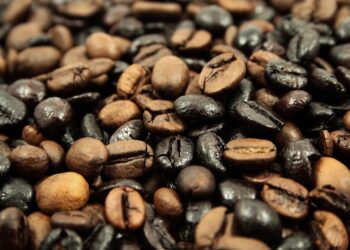
- Light Roast: Bright acidity with pronounced floral and fruity notes.
- Medium Roast: Balanced flavor with a medium body and sweetness.
- Dark Roast: Rich, bold flavors with a noticeable smoky taste and a lower acidity.
Experimenting with various roast levels can help you find the perfect flavor profile for your palate.
Roasting Techniques and Methods
There are several methods for roasting coffee, each with its own characteristics:
- Air Roasting: Uses hot air to roast the beans, promoting even heat distribution and preserving bean integrity.
- Drum Roasting: The most common commercial method, where beans are tumbled inside a rotating drum. This method allows for better control over roasting time and temperature.
- Stovetop Roasting: A more accessible option for home roasters, utilizing stovetop popcorn poppers or pans. Although less consistent, it’s an affordable way to start.
Key Factors in Roasting
When roasting coffee beans, consider the following key factors that can significantly affect the outcome:
- Temperature: Controlling heat is essential for developing flavor. Higher temperatures lead to quicker roasts with pronounced dark flavors, while low temperatures allow for more complex, subtle flavors to surface.
- Airflow: Adjusting airflow can help control the roast’s rate, affecting flavor and texture.
- Time: The duration of the roast impacts development. A longer roast creates deeper flavors, while shorter roasts maintain brighter notes.
Common Questions About Coffee Roasting
1. How can I tell when my coffee is roasted perfectly?
Perfectly roasted coffee is subjective, but visual cues such as the color of the beans and auditory signals like the first and second crack can serve as guidelines.
2. What tools do I need for roasting coffee at home?
A simple setup can include a roasting machine, or even a stovetop popcorn maker, a scale for measuring beans, and a timer for accuracy.
3. How can I store roasted coffee beans to maintain freshness?
Store beans in an airtight container away from light and moisture. Consuming them within two weeks of roasting typically ensures peak freshness.
Conclusion: Embark on Your Coffee Roasting Journey
The art of roasting coffee beans is a fascinating journey that invites personal exploration and creativity. By understanding the factors that influence flavor and experimenting with different roasting techniques, you can unlock the profound and unique characteristics of every coffee bean. Whether you’re a novice or an experienced roaster, embracing the roasting process will elevate your coffee experience and deepen your appreciation for this beloved beverage. Ready to unleash the flavors of your coffee beans? Start your roasting adventure today!