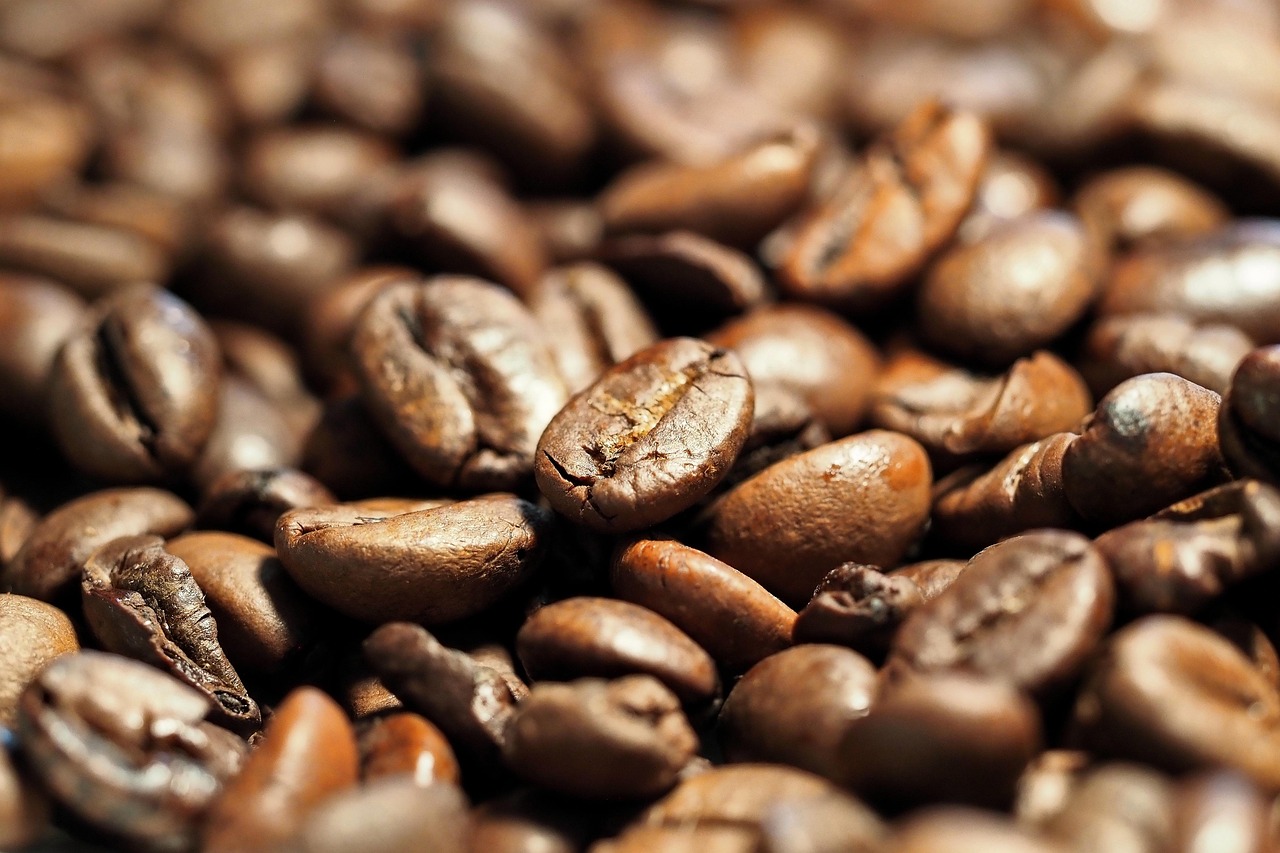
The Delicate Dance of Flavor: Unveiling the Essence of Light Roast Beans
When it comes to coffee, the choice of roast can significantly influence the beverage’s flavor profile, aroma, and overall experience. Among the various roast levels available, light roast coffee stands out for its nuanced character and bright flavors. This article delves into the intricate world of light roast beans, exploring their origins, taste profiles, brewing methods, and much more.
What Are Light Roast Beans?
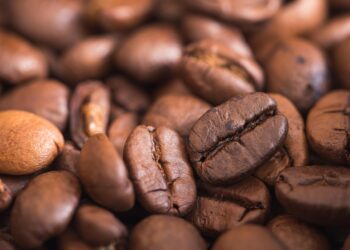
Light roast beans undergo a shorter roasting process compared to medium and dark roasts. Typically, they are roasted until the first crack — a crucial moment when the beans expand and begin to release gases. This stage is essential because it signals the transition to different flavor profiles. Light roast beans retain much of their original characteristics, allowing the inherent flavors of the coffee bean to shine through.
Characteristics of Light Roast Beans
The most distinguishing feature of light roast coffee is its bright acidity and vibrant flavor profiles. Here are some of the key characteristics you can expect:
-
Flavor Profile: Light roast beans often showcase fruity, floral, and herbal notes. These flavors are derived from the coffee variety, its growing conditions, and processing methods. For example, light roasts from Ethiopia might have berry notes, while those from Central America can carry citrus undertones.
-
Acidity: Expect a higher acidity level in light roasts, which adds a refreshing quality to the coffee. This acidity is not to be mistaken for bitterness; instead, it enhances the complexity of the drink.
-
Caffeine Content: Contrary to common belief, light roast coffee typically has slightly more caffeine than darker roasts since caffeine diminishes during the roasting process.
The Journey of Light Roast Coffee Beans
Origins of Coffee
The journey of coffee begins in the lush coffee-growing regions around the world, primarily located within the “Bean Belt” – an area between the Tropics of Cancer and Capricorn. Countries such as Ethiopia, Colombia, and Guatemala are renowned for their high-quality light roast beans, each bringing a unique flavor tailored by their origin.
Processing Methods
Coffee processing plays a crucial role in developing the flavors found in light roast beans. Here are the main methods:
-
Washed (Wet): This method involves removing the coffee cherry’s outer fruit layer before fermentation. It creates a clean, bright flavor profile, making it popular for light roasts.
-
Natural (Dry): In this method, the coffee beans are dried inside the fruit, resulting in a more complex, fruity flavor. Natural-processed beans often retain more sweetness, fitting well with a light roast.
Brewing Light Roast Coffee
Brewing light roast coffee requires a tailored approach to highlight its unique qualities. Here are some tips for brewing an optimal cup:
Grind Size
Light roast beans benefit from a finer grind. Since they often have a lighter body, a finer grind increases the surface area of the coffee, allowing for better extraction of flavors.
Brewing Methods
-
Pour-Over: This method emphasizes precision and control, making it ideal for light roasts. Use a conical filter and a steady pour to enhance flavor extraction.
-
Aeropress: The Aeropress allows for quick brewing with minimal bitterness. The pressure extraction can capture the bright, fruity notes of light roast beans effectively.
-
Cold Brew: While light roasts aren’t the traditional choice for cold brew, experimenting with this method can yield refreshing and unique results. Use a coarser grind and steep for 12-24 hours to maximize flavor.
Light Roast vs. Dark Roast
Understanding the differences between light roast and dark roast coffee can help you make informed choices based on your palate. Here’s a quick comparison:
- Flavor: Light roasts bring out the bean’s natural flavors, while dark roasts develop deeper, richer flavors often described as smoky or chocolaty.
- Acidity: Light roasts are known for their bright acidity, whereas dark roasts have a muted acidity, often leading to a heavier mouthfeel.
- Sugar Development: Caramelization occurs more significantly in dark roasts, which can detract from the original flavor notes present in light beans.
Common Questions About Light Roast Coffee
1. Is light roast coffee stronger than dark roast?
While many believe that dark roasts are “stronger,” it largely depends on the context. Light roast coffee has a higher caffeine content in terms of volume but may have a milder flavor profile compared to the richness of dark roasts. Your choice might depend on what aspect you prioritize: the caffeine kick or flavor intensity.
2. How do I choose the best light roast coffee?
When selecting light roast coffee, consider factors such as origin, processing method, and flavor notes. Specialty coffee shops or roasters can offer guidance based on your taste preferences. Don’t hesitate to taste different varieties to find what resonates with you!
3. Can I use light roast coffee for espresso?
Light roast beans can technically be used for espresso, although they might not produce the same richness as darker roasts. If you enjoy bright and fruity notes, experimenting with light roast espresso can lead to delicious results!
Conclusion
The world of light roast coffee offers a delightful array of flavors waiting to be explored. With their bright acidity, vibrant profiles, and diverse origins, light roast beans invite coffee lovers to embark on a flavorful journey. By understanding the characteristics, brewing methods, and nuances that define light roast coffee, you can enjoy a truly enriching coffee experience. So, whether you’re a seasoned enthusiast or a casual drinker, it’s time to embrace the delicate dance of flavor that light roast beans bring to your cup!