Coffee 101: A Beginner’s Guide to the Essence of Every Brew
Coffee is more than just a morning pick-me-up; it’s an experience that encapsulates culture, tradition, and the art of brewing. For beginners, the vast world of coffee can be daunting. This guide aims to break down the basics, making it easy to understand the essence of every brew.
Understanding Coffee Basics
At its core, coffee is made from roasted coffee beans, which are the seeds of the Coffea plant. The two most commonly consumed species are Coffea arabica and Coffea canephora (commonly known as Robusta). Arabic coffee beans are generally praised for their smooth flavor profile, while Robusta beans are known for their stronger, more bitter taste.
The Coffee Bean Lifecycle
From seed to sip, coffee undergoes several key stages:
- Planting: Coffee seeds are planted in tropical climates.
- Harvesting: Coffee cherries are picked, often by hand.
- Processing: The cherries are processed to extract the beans.
- Drying: The beans are dried to reduce moisture content.
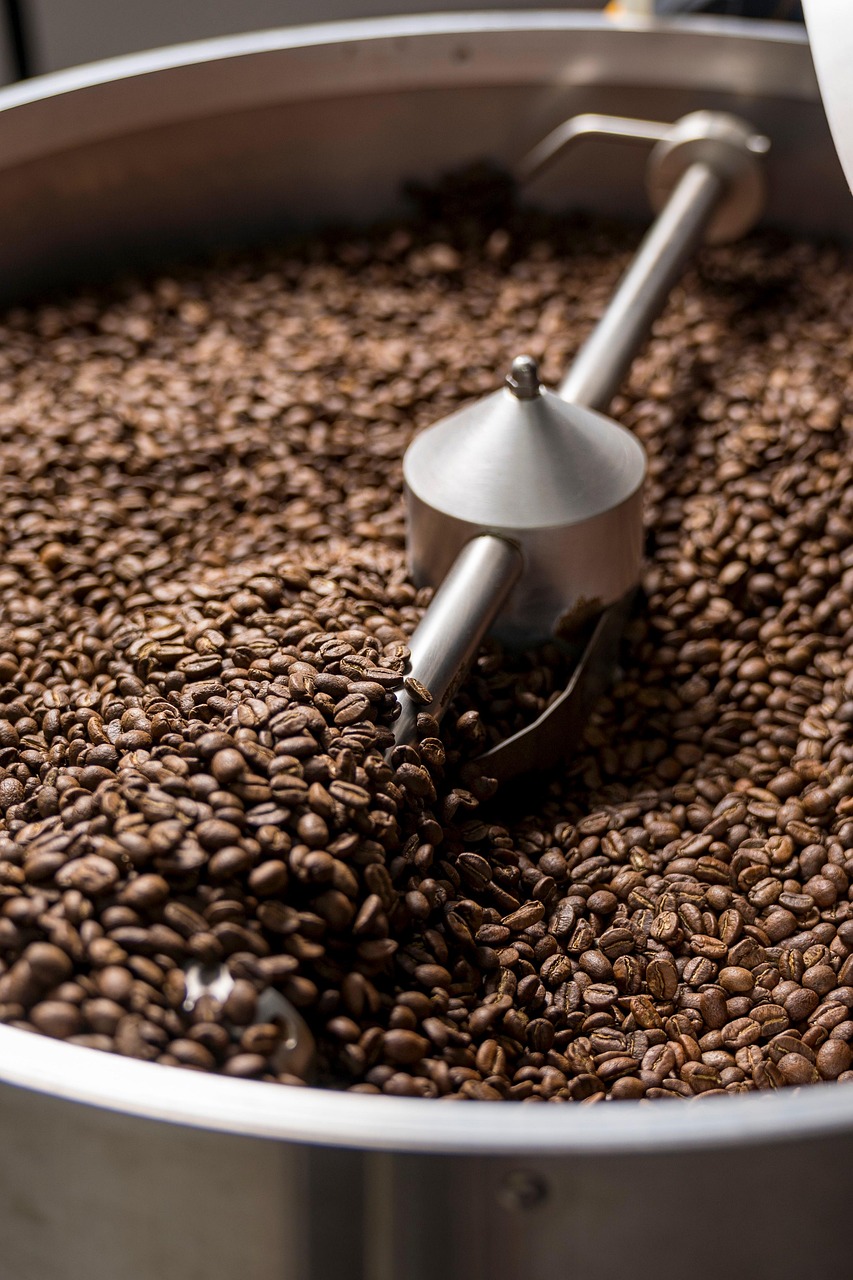
- Roasting: Green beans are roasted to develop flavor.
- Grinding: Roasted beans are ground to prepare for brewing.
- Brewing: Finally, the grounds are brewed to make coffee.
Popular Brewing Methods
There are numerous ways to enjoy coffee. Each brewing method offers distinct flavors and experiences:
1. Drip Coffee
Also known as filter coffee, this is one of the most common and straightforward brewing methods. Water drips through ground coffee contained in a paper or metal filter, extracting flavors and oils as it goes.
2. French Press
This method involves steeping coarse coffee grounds in boiling water for several minutes before pressing a plunger to separate the grounds from the liquid. This results in a rich, full-bodied brew.
3. Espresso
Espresso is a concentrated form of coffee made by forcing hot water through finely-ground coffee. It serves as the base for many coffee drinks including lattes, cappuccinos, and macchiatos.
4. Pour-Over
This method requires pouring hot water over ground coffee, allowing it to steep before dripping into a vessel below. This brewing technique emphasizes flavor clarity.
5. Cold Brew
Making cold brew coffee involves steeping coarsely ground coffee beans in cold water for an extended period (typically 12-24 hours). The result is a smooth, less acidic coffee that is served chilled.
Coffee Types and Flavors
Coffee isn’t just one flavor; the type of bean, the brewing method, and additional ingredients all impact the final taste. Here’s a quick overview of popular coffee types:
1. Americano
An Americano is espresso diluted with hot water, resulting in a coffee resembling traditional brewed coffee but with different flavor notes.
2. Latte
A latte consists of espresso mixed with steamed milk and topped with foam, creating a creamy texture.
3. Cappuccino
Similar to a latte but with a higher ratio of foam to milk, cappuccinos offer a rich, balanced flavor. They’re often topped with chocolate or cinnamon.
4. Mocha
A delightful blend of espresso, steamed milk, and chocolate syrup, often topped with whipped cream, making it both a coffee and dessert treat.
Common Coffee Questions
What is the best coffee grind size for each brewing method?
The grind size greatly affects the extraction and flavor of your coffee. Here’s a quick reference:
- Coarse: French Press, Cold Brew
- Medium: Drip Coffee, Pour-Over
- Fine: Espresso
How much coffee should I use for brewing?
A general guideline is to use 1 to 2 tablespoons of coffee per 6 ounces of water. This can be adjusted based on personal taste preferences.
Tips for Coffee Beginners
Here are some essential tips to elevate your coffee experience:
- Invest in Quality Beans: Look for fresh, high-quality coffee beans to enhance your brewing.
- Experiment: Don’t shy away from trying different brewing methods and flavors to find what you enjoy.
- Maintain Equipment: Regularly clean your brewing equipment to prevent residue buildup and ensure optimal flavor.
- Mind Water Quality: The water you use can significantly influence the taste of your coffee, so use filtered water if possible.
Conclusion
Coffee is a rich and diverse beverage that offers countless possibilities for enjoyment. With this beginner’s guide, you’re now equipped to explore the world of coffee, from understanding its origins to mastering brewing techniques. Embrace the journey of discovering your perfect cup, and remember that every brew carries its essence—a story in every sip.
This article provides a thorough introduction to coffee, covering its basics, brewing methods, types, FAQs, and practical tips for beginners. The organized structure allows for easy navigation and enhances readability, while the use of keywords will help improve search engine visibility.