Brewing Dreams: The Art of Coffee Creations
Coffee has long been a cherished beverage, with millions of people around the world waking up to the aroma of freshly brewed coffee each morning. It has transcended its role as a simple drink, evolving into an art form that inspires passion and creativity. From the delicate flavor profiles of specialty coffees to the intricate designs of latte art, the journey of coffee is a captivating blend of science, skill, and imagination. In this article, we will explore the art of coffee creations, share practical tips for coffee enthusiasts, and answer some common questions about brewing the perfect cup.
The History of Coffee
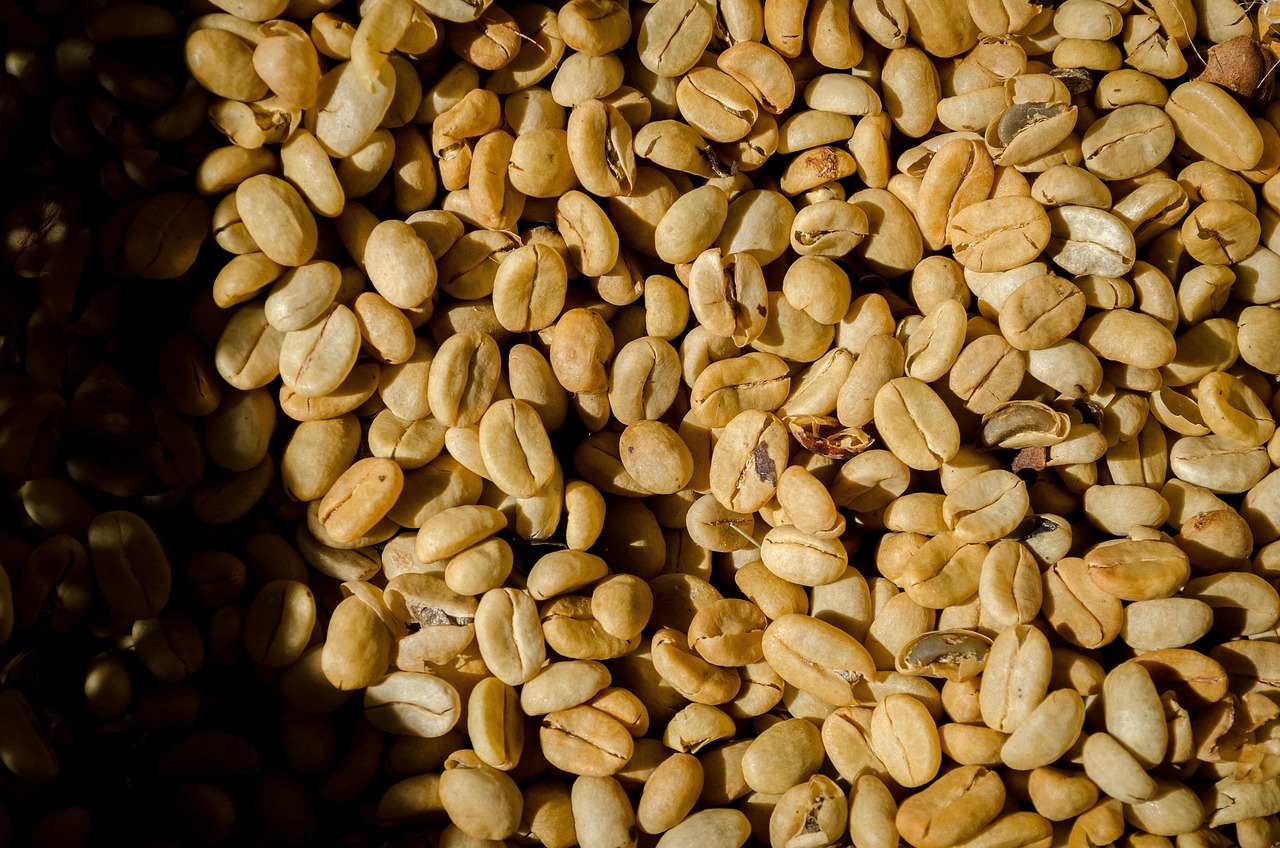
To truly appreciate the art of coffee, it’s essential to understand its history. Coffee originated in Ethiopia, where legend has it that a goat herder named Kaldi discovered the energizing effects of coffee beans after noticing his goats became frisky after eating them. Coffee made its way to the Arabian Peninsula by the 15th century, and soon coffeehouses, known as qahveh khaneh, began to emerge throughout the Middle East. In these coffeehouses, social interactions flourished, and coffee culture began to take root.
As coffee traveled westward into Europe in the 17th century, it became a staple in cafés, fueling philosophical discussions and artistic movements. Today, coffee has become a global phenomenon, with an array of brewing methods and flavor profiles that appeal to diverse palettes.
The Science Behind Coffee Brewing
At its core, brewing coffee is a delicate balance of science and art. The extraction process involves several factors, including water temperature, grind size, brew time, and coffee-to-water ratio. Understanding these elements can elevate a simple cup of coffee into a multi-dimensional experience.
Water Quality and Temperature
The choice of water is crucial in brewing coffee, as it can significantly impact flavor. Using filtered water can eliminate impurities that may alter the taste. Additionally, the ideal brewing temperature ranges between 195°F to 205°F (90°C to 96°C). Brewing at this range ensures optimal extraction of flavor compounds without scalding the coffee.
Coffee Grind Size
The grind size of coffee beans plays a vital role in the brewing process. Coarse grind is ideal for methods like French press, while a fine grind is best suited for espresso. Understanding the relationship between grind size and extraction time is essential; for instance, finer grinds extract flavors more quickly than coarser ones.
Brewing Time and Ratio
Finally, the brewing time and coffee-to-water ratio can influence the strength and flavor of your coffee. A common recommendation is to use one to two tablespoons of coffee for every six ounces of water. However, personal taste preferences may vary, so experimentation is key.
Different Brewing Methods
The art of coffee creation encompasses various brewing methods, each offering unique flavors and characteristics. Here are some popular methods to explore:
1. Drip Coffee
Drip coffee makers are a staple in many households, offering convenience and consistency. Ground coffee is placed in a filter, and hot water is poured over it, allowing the brewed coffee to drip into a carafe below. This method is excellent for producing a full-bodied cup of coffee.
2. French Press
The French press is known for its rich flavor extraction. Coarse coffee grounds are steeped in hot water before a plunger is pushed down, separating the coffee from the grounds. The result is a robust, aromatic cup of coffee that retains the oils and flavors.
3. Espresso
Espresso is a concentrated coffee brewed by forcing hot water through finely-ground coffee under high pressure. This method offers a thick, bold flavor, often serving as the base for various coffee creations, from lattes to cappuccinos.
4. Pour Over
Pour-over brewing allows for precise control over water flow and extraction. By pouring hot water over coffee grounds in a slow, circular motion, you can achieve a bright and nuanced flavor profile. Popular devices for this method include the Chemex and Hario V60.
5. Cold Brew
Cold brew coffee is made by steeping coarsely ground coffee in cold water for an extended period, typically 12 to 24 hours. The result is a smooth, less acidic coffee that can be served over ice or mixed with milk and sweeteners.
The Art of Latte Art
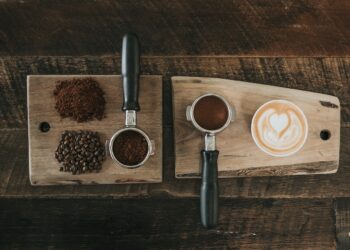
Latte art is a visual representation of coffee creativity. Using steamed milk, baristas create intricate designs, ranging from simple hearts to complex rosettas. Mastering latte art requires practice, as it involves controlling the milk’s texture and pouring technique.
Techniques for Creating Latte Art
-
Steaming Milk: The milk should be steamed to a velvety microfoam consistency. The right temperature (around 150°F or 65°C) will enhance sweetness and texture without scalding.
-
Pouring: Pour the steamed milk into the espresso at the right angle and speed. Starting low allows the milk to integrate with the espresso, while raising the pitcher creates the design.
-
Practice: Like any art form, practice is vital. Experimenting with different designs will help refine your skills over time.
Common Questions About Brewing Coffee
How can I improve the flavor of my coffee?
To enhance the flavor of your coffee, start with high-quality, freshly roasted coffee beans. Experiment with different brewing methods, water-to-coffee ratios, and grind sizes to find your preferred taste profile.
How long can I store coffee beans?
Coffee beans are best consumed fresh. For optimal flavor, store them in an airtight container in a cool, dark place. Whole beans can last about two weeks to a month, while ground coffee is best used within a week for maximum freshness.
Is there a perfect brewing method?
The “perfect” brewing method varies for each individual. It depends on personal preferences for flavor, strength, and convenience. Explore different methods to discover what suits you best.
Conclusion
Brewing coffee is more than just a daily ritual; it’s an art that offers endless possibilities for creativity and enjoyment. By understanding the science behind coffee, experimenting with various brewing methods, and embracing the beauty of latte art, you can elevate your coffee experience to new heights. Whether you’re a casual drinker or a dedicated aficionado, each cup of coffee holds the potential to inspire dreams and invigorate the spirit. So, grab your coffee beans, choose your brewing method, and start crafting your coffee creations today!