Essential Tools for the Perfect Brew
The Importance of Quality Coffee Beans
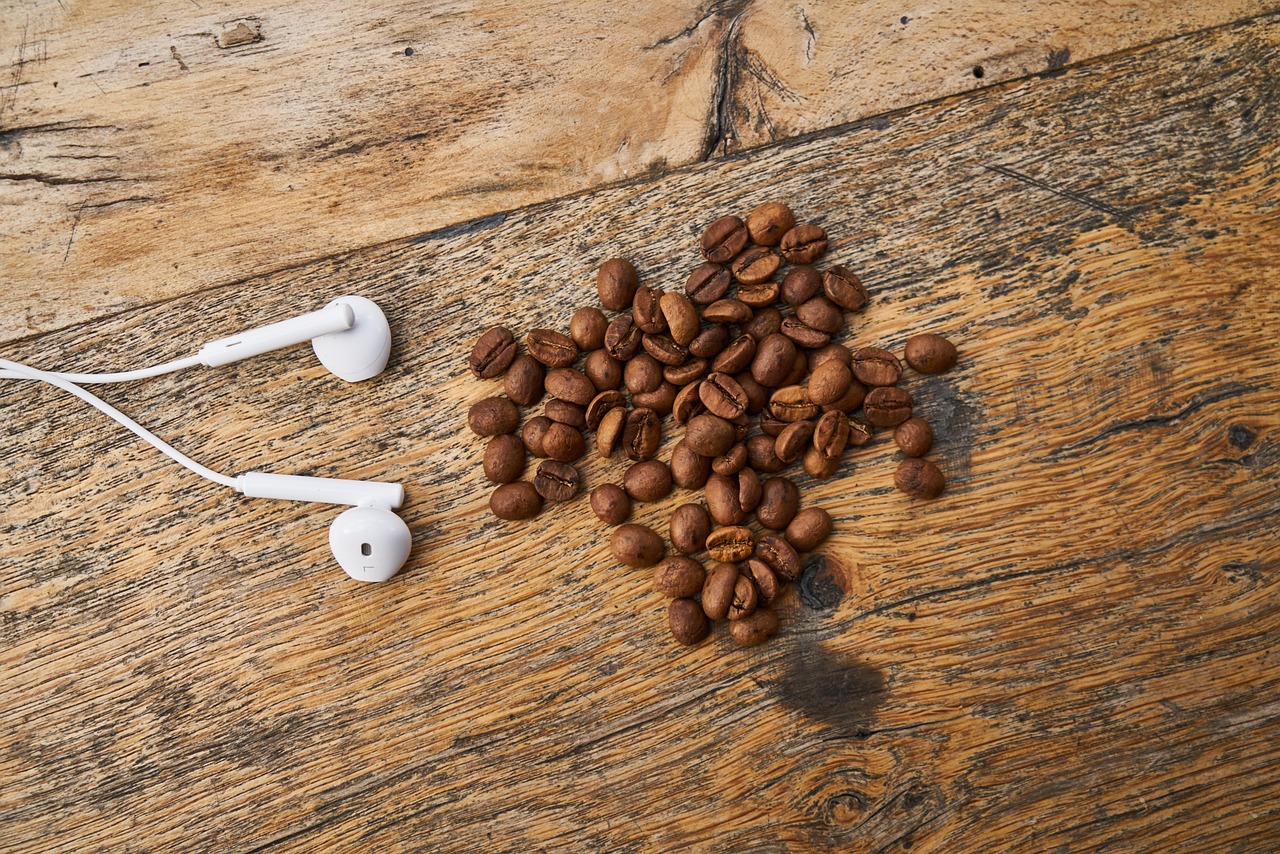
Before diving into brewing tools, it’s crucial to highlight the foundation of any great coffee: quality beans. Freshly roasted coffee beans will make a significant difference in flavor compared to stale, pre-ground options. Always opt for high-quality beans from reputable roasters, and consider trying single-origin coffees to discover unique flavor profiles.
1. Coffee Grinder
An essential tool for any coffee lover, a good grinder is paramount. Freshly ground coffee releases oils and aromas that enhance flavor. There are two main types of grinders: blade grinders and burr grinders. While blade grinders are more affordable, burr grinders offer a more consistent grind size, which is crucial for optimal extraction.
For espresso, a fine grind is required, while a coarser grind is better for French press coffee. Invest in a burr grinder to achieve the best results for any brewing method!
2. Coffee Maker
Choosing the right coffee maker is essential to achieving the perfect brew. There are various types of coffee makers, each suited for different brewing methods:
- Drip Coffee Makers: Ideal for brewing multiple cups at once.
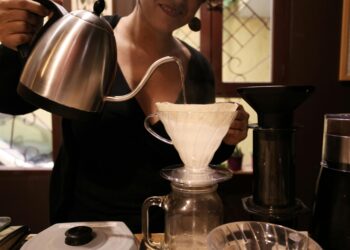
- Pour-Over Systems: Popular for their manual brewing process that allows for precise control over water flow.
- French Press: Known for producing a rich and full-bodied coffee.
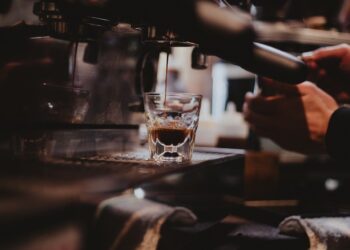
- Espresso Machines: Perfect for creating strong, concentrated shots of coffee.
Evaluate your coffee preferences to determine which type of coffee maker suits you best.
3. Water Kettle
The quality of water plays a crucial role in coffee brewing. Therefore, having a reliable kettle is essential. A gooseneck kettle, in particular, is preferred for pour-over methods, as it allows for more controlled pouring, ensuring even saturation of coffee grounds.
When selecting a kettle, consider models with temperature control features. Different coffee beans release optimal flavors at specific temperatures, typically ranging from 195°F to 205°F (90°C to 96°C).
4. Coffee Scale
Precision is key in coffee brewing. Utilizing a digital scale to measure coffee and water ensures consistency and accuracy. A common recommendation is using a coffee-to-water ratio of 1:15 for most brewing methods. By measuring, you can experiment with different ratios to find your perfect brew strength.
5. Coffee Thermometer
If you’re serious about brewing, a thermometer is a valuable addition to your toolkit. Maintaining the right brewing temperature enhances extraction and flavor. Having a thermometer on hand allows you to monitor water temperatures accurately, especially important for methods like espresso brewing.
6. Brew Timer
Timing significantly influences coffee extraction. Using a brew timer allows you to track how long the coffee is brewing, ensuring optimal flavor. Most brewing methods have specific time requirements, such as:
- French Press: 4 minutes
- Pour-Over: 2-3 minutes
- Espresso: 25-30 seconds
A simple timer app on your phone or a dedicated kitchen timer will do the trick!
7. Coffee Storage Container
Proper storage of coffee beans is essential to maintain freshness. Oxygen, moisture, heat, and light can lead to stale coffee. Invest in an airtight coffee storage container that can shield your beans from these elements. Dark-colored, vacuum-sealed containers work best in preserving flavors over time.
8. Cleaning Supplies
Cleaning your coffee equipment is as important as brewing itself. Regular maintenance ensures that no old coffee residues interfere with the flavor of your brew. Here are a few cleaning supplies to consider:
- Brushes: To clean grinders and espresso machines.
- Descaling solution: To prevent buildup in brewing machines.
- Microfiber cloth: For wiping surfaces and equipment.
Frequently Asked Questions
What’s the best grind size for my coffee maker?
Grind size varies depending on your brewing method. Coarser grinds work best for French presses, while fine grinds are preferred for espresso machines.
How do I know if my coffee is fresh?
Fresh coffee should have a strong aroma and retain its oils. If the beans are dull and lack fragrance, they may be stale.
Is it necessary to use filtered water for brewing coffee?
While it’s not strictly necessary, using filtered water can eliminate any impurities and enhance flavor.