Brewing Brilliance: Unleashing the Art of Coffee Techniques
Coffee is not just a beverage; for many, it is a ritual, a passion, and sometimes even an art form. Brewing coffee is as much about the technique as it is about the beans. In this article, we will explore various coffee brewing techniques, delve into the science behind them, and provide tips for achieving that perfect cup of coffee.
The Importance of Coffee Beans
Selecting Quality Beans
Before diving into brewing techniques, it’s essential to understand the foundation of great coffee: the beans. Selecting high-quality coffee beans is the first step in brewing brilliance. Look for fresh, single-origin beans from reputable roasters. Consider factors like roast date, flavor profile, and origin, as these elements will significantly impact the taste of your drink.
The Role of Grind Size
The grind size is crucial to extracting the optimal flavor from your coffee. Different brewing methods require different grind sizes:
- Coarse Grind: Ideal for French press and cold brew.
- Medium Grind: Works best for drip coffee makers.
- Fine Grind: Perfect for espresso machines.
Understanding the correct grind size for your brewing method can significantly enhance the flavor of your coffee.
Brewing Techniques
1. French Press
The French press is a classic brewing method known for its rich, full-bodied flavor. Here’s how to brew the perfect cup:
- Ingredients: Coarse ground coffee and hot water (200°F).
- Ratio: Use a 1:15 coffee-to-water ratio.
- Steps:
- Add coffee grounds to the French press.
- Pour hot water on the grounds and stir gently.
- Place the lid on the press and let steep for about 4 minutes.
- Press down the plunger slowly and pour.
This method preserves the oils and flavors in coffee beans, resulting in a robust taste.
2. Pour-Over
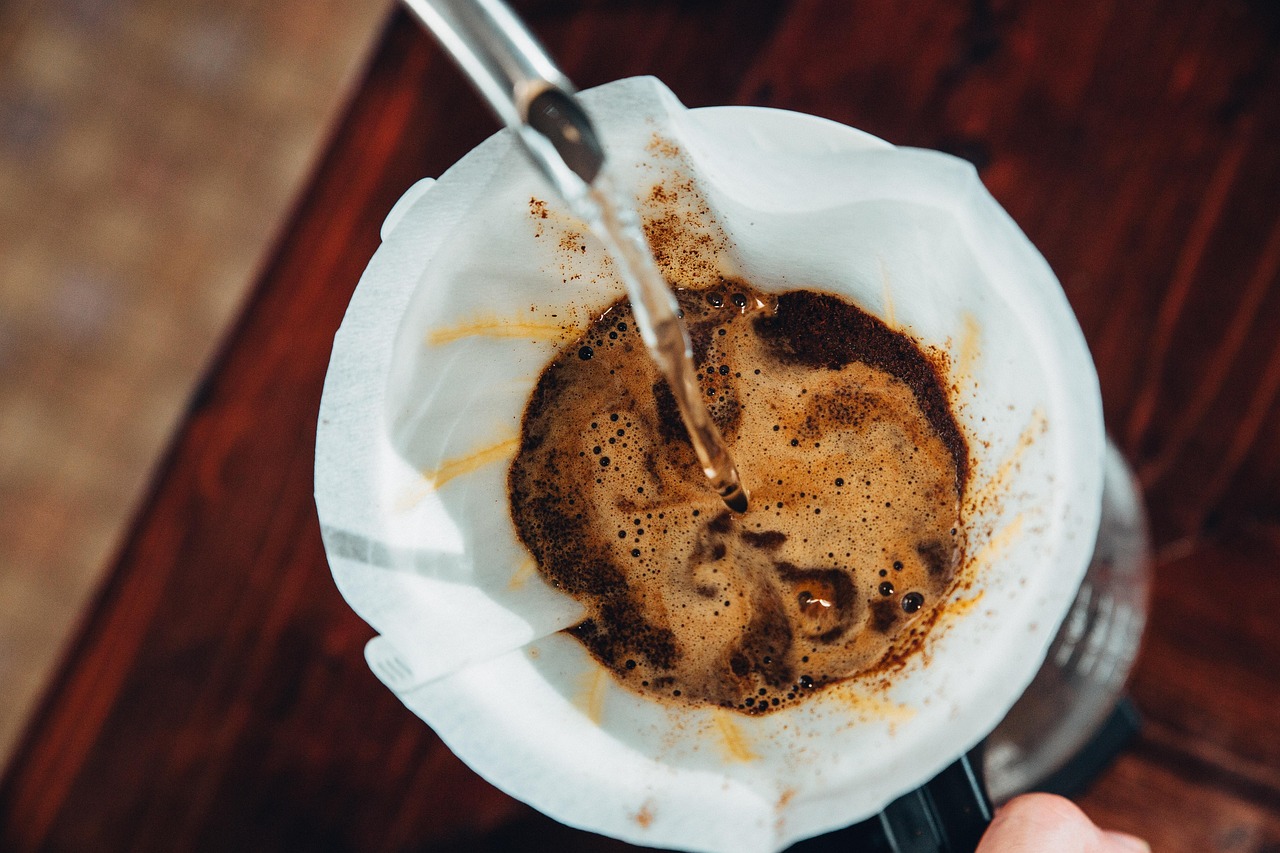
Pour-over brewing provides control over the coffee extraction process, often resulting in a cleaner cup.
- Ingredients: Medium-ground coffee and hot water (200°F).
- Ratio: Aim for 1:17 coffee-to-water ratio.
- Steps:
- Place a filter in the pour-over cone and rinse it with hot water.
- Add the coffee grounds to the filter and create a small well in the center.
- Slowly pour water over the grounds in a circular motion, allowing the coffee to bloom for 30 seconds.
- Continue pouring water until reaching the desired amount.
This meticulous process can highlight distinct flavor notes.
3. Espresso
Espresso is a concentrated coffee brewed by forcing hot water through finely-ground coffee under pressure.
- Ingredients: Extra-fine ground coffee and water.
- Ratio: Use a 1:2 coffee-to-water ratio.
- Steps:
- Preheat the espresso machine.
- Pack the espresso basket with finely ground coffee and tamp it evenly.
- Lock the basket into the machine and start the brew.
- Extract espresso for about 25-30 seconds.
Espresso can serve as the base for various coffee drinks, including lattes and cappuccinos.
4. AeroPress
The AeroPress is a versatile device that allows quick brewing with minimal cleanup.
- Ingredients: Medium-fine ground coffee and hot water (200°F).
- Ratio: 1:15 coffee-to-water ratio.
- Steps:
- Place a filter in the cap and rinse with hot water.
- Add coffee grounds to the AeroPress chamber.
- Pour hot water over the grounds and stir.
- Let steep for 30 seconds, then press down slowly.
The result is a smooth coffee that resembles espresso, perfect for iced beverages or as a base for cocktails.
Tips for Perfecting Your Brew
Water Quality and Temperature
Using clean, filtered water is crucial for great coffee. Water quality can make a significant difference in taste. Additionally, the water temperature should be between 195°F and 205°F for optimal extraction. Too hot can lead to bitterness, while cooler temperatures yield under-extracted coffee.
Experiment with Ratios and Brewing Times
Personal preference plays a significant role in coffee brewing. Experiment with different coffee-to-water ratios and brewing times to discover what works best for your palate. Keep notes on your experiments for reference.
Consider the Brewing Environment
Factors like humidity and altitude can affect brewing. For instance, high-altitude brewing may require slight adjustments in your technique. Pay attention to these environmental factors to enhance your brewing game.
Common Coffee Questions
What is the best coffee brewing method?
There isn’t a definitive answer as it depends on personal preferences. French press offers richness, pour-over shines in flavor clarity, and espresso is perfect for concentrated coffee lovers.
How do I store coffee beans?
Store coffee beans in a cool, dark place in an airtight container. Avoid the refrigerator or freezer, as moisture can compromise flavor.
How often should I clean my coffee equipment?
Regular cleaning ensures your coffee doesn’t take on unwanted flavors. It’s recommended to clean your equipment after every use.
Conclusion
Brewing coffee is an art that combines quality ingredients, precision, and personal preference. By exploring various brewing techniques and understanding how each step impacts flavor, anyone can unlock the brilliance of coffee. Whether you prefer the rich textures of a French press or the intricate notes of a pour-over, mastering these techniques will lead to a coffee experience that transcends the ordinary. Happy brewing!